
Tibet Private Tours
A clearer way to plan Lhasa, Yamdrok, Namtso, Everest, Tibet trains, gateway cities, and permit-sensitive routes with private pacing.
What foreign travelers need to decide first
Tibet is not a normal add-on city. Permits, altitude, road time, and seasonal access shape the route before hotels or flights are locked.
Permit handled
We plan around Tibet Travel Permit timing and advise when extra permits may be needed for Everest, border, or remote regions.
Altitude-paced
Lhasa starts at about 3,650m, so the first days stay gentler before higher lakes, passes, or Everest routes.
Best May-Oct
Clearer weather and road access usually make May to October the easiest season for first-time Tibet travelers.
Private/custom route
Routes can start from Lhasa, Xining, Chengdu, Beijing, or Shanghai and connect back into a wider China itinerary.
Route Finder
Choose Your Tibet Route
Borrowing the best competitor idea: make the decision by travel problem first, then customize the private itinerary.
4-5d Lhasa Highlights
Potala Palace, Jokhang Temple, Barkhor, Sera or Drepung, with enough time to acclimatize.
Best for: first-time travelers who want culture before higher lakes.
Permit note: standard Tibet Travel Permit timing, arranged before arrival.
Altitude note: start gently in Lhasa before higher passes.
Entry: Lhasa arrival or Chengdu/Beijing add-on
Season: reliable in most months; winter is possible with simpler sightseeing
Lead time: send passport details 2-4+ weeks ahead for permit planning
- Best for limited time
- Lower road mileage
- Easy to combine with Chengdu or Beijing
6d Lhasa + Yamdrok/Namtso
The existing BetterChinaTrip core Tibet idea: Lhasa culture plus a sacred lake day without rushing into Everest altitude.
Best for: travelers who want Lhasa plus one sacred lake with a calmer rhythm.
Permit note: standard Tibet Travel Permit timing with lake-day route checks.
Altitude note: Lhasa first, then Yamdrok or Namtso only when the pace fits.
Entry: fly to Lhasa or connect from Chengdu/Xining
Season: Yamdrok works broadly; Namtso needs warmer-road checks
Lead time: 3-4+ weeks is safer for permits and hotels
- Yamdrok or Namtso by season
- More relaxed first trip pace
- Good photography value
8d Lhasa-Shigatse-Everest
Lhasa, Yamdrok route, Shigatse, Tashilhunpo, and Everest Base Camp area with realistic road and altitude warnings.
Best for: travelers who want the classic Lhasa-Shigatse-Everest arc.
Permit note: extra date checks for Everest access, road rules, and seasonal conditions.
Altitude note: high passes and Everest nights need honest comfort planning.
Entry: Lhasa first, then private road route via Shigatse
Season: May-Oct is the strongest window for Everest visibility and road comfort
Lead time: 4+ weeks recommended for permits, rooms, and vehicle planning
- Private guide and vehicle
- Weather-aware Everest expectation
- Permit and road-condition planning
Xining/Chengdu train to Tibet
Use the Qinghai-Tibet railway as part of the experience, then continue into Lhasa and lake or Shigatse routing.
Best for: slower travelers who want the rail approach to be part of the story.
Permit note: train tickets and permit delivery need coordinated timing.
Altitude note: the train is scenic, but it is not a medical guarantee against altitude symptoms.
Entry: Xining is the practical train gateway; Chengdu adds a softer China stop
Season: spring-autumn has the broadest train-and-road comfort
Lead time: train tickets and permit delivery should be checked early
- Train ticket planning needed
- Good for slow-travel travelers
- Can exit by flight to save time
Lhasa-Kathmandu quote-based
A quote-only route when border rules, permits, road condition, and onward Nepal timing can be confirmed for the trip dates.
Best for: overland Himalaya travelers with flexible dates.
Permit note: quote only after border, permit, and route rules are checked.
Altitude note: road days are long and should not be compressed.
Entry: Lhasa first, Nepal border only after rule checks
Season: border and road status matter more than a fixed calendar label
Lead time: allow specialist review before booking onward Nepal plans
- No fixed promise before checks
- Good for Himalaya overland travelers
- Needs date-specific advice
Kailash inquiry-only
Mount Kailash and Manasarovar-style journeys are treated as specialist inquiries because access, fitness, season, and permits matter more.
Best for: experienced travelers who accept long drives and variable access.
Permit note: specialist review before any promise on Kailash or Manasarovar.
Altitude note: longer acclimatization and fitness screening are part of the plan.
Entry: usually Lhasa with long western Tibet road days
Season: access, fitness, and weather must be reviewed together
Lead time: start early; this is not a last-minute add-on
- For experienced travelers
- Longer acclimatization needed
- Final route after specialist review
Planning Logic
How Tibet works for foreign travelers
Tibet planning starts with access and comfort, then the sightseeing route. That order keeps the promise honest.
Choose the entry city before locking trains or flights
Chengdu, Xining, Beijing, Shanghai, and other gateways change permit delivery, train timing, and first-night comfort.
Put Lhasa first
Potala, Jokhang, Barkhor, Sera, and a softer first day help travelers settle before lakes, high passes, or Everest.
Treat Everest, border, and Kailash as checks
These routes depend on dates, weather, road conditions, permits, and traveler comfort, so we quote them after review.
China Connections
Combine Tibet with the right China gateway
A Tibet trip often works best when it is designed as part of a wider private China itinerary.
Chengdu
The easiest flight gateway for many Tibet trips, with pandas or Sichuan food before or after Lhasa.
Chengdu + Lhasa + Yamdrok in 7-8 days
Beijing or Shanghai
Best for international arrivals, classic China icons, and a smoother return flight plan.
Beijing or Shanghai + Lhasa + Everest in 10-12 days
Xi'an
A practical culture bridge when travelers want ancient capitals before the highland journey.
Beijing + Xi'an + Lhasa private route
Yunnan or Xinjiang
Good for travelers comparing highland cultures, nature, and western China landscapes.
Yunnan or Xinjiang extension after Tibet review
Merged Destination
Lhasa Private Tour Base
The former Lhasa private tour page now sits inside the Tibet destination hub, so travelers can compare Lhasa, sacred lakes, Everest, trains, and permit-sensitive routes in one place.
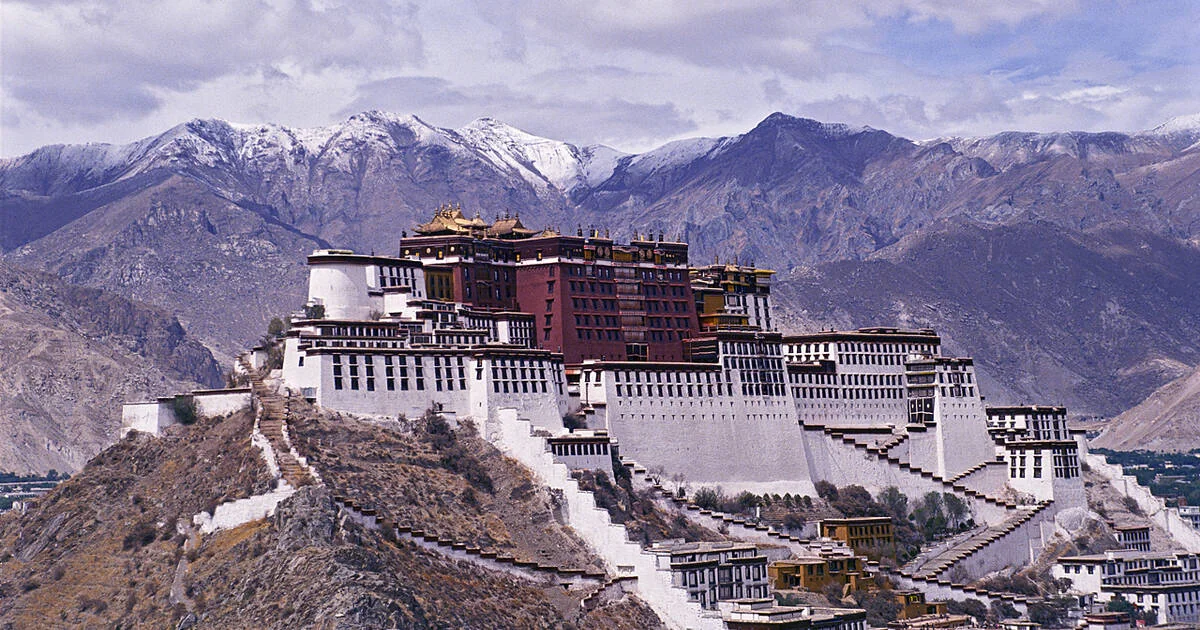
6-Day Lhasa & Sacred Lakes Private Tour
A profound journey to the roof of the world. Explore sacred temples, walk ancient pilgrimage routes, and experience Tibetan Buddhist culture with a private guide who speaks Arabic and English.
Spiritual seekers, culture lovers, adventure travelers
- Potala Palace — UNESCO World Heritage Site
- Jokhang Temple & Barkhor Street pilgrimage circuit
- Namtso Lake day excursion (4,718m elevation)
- Sera Monastery — witness the famous monk debates
- Tibetan family home visit & traditional meal
- Private Arabic/English-speaking guide throughout
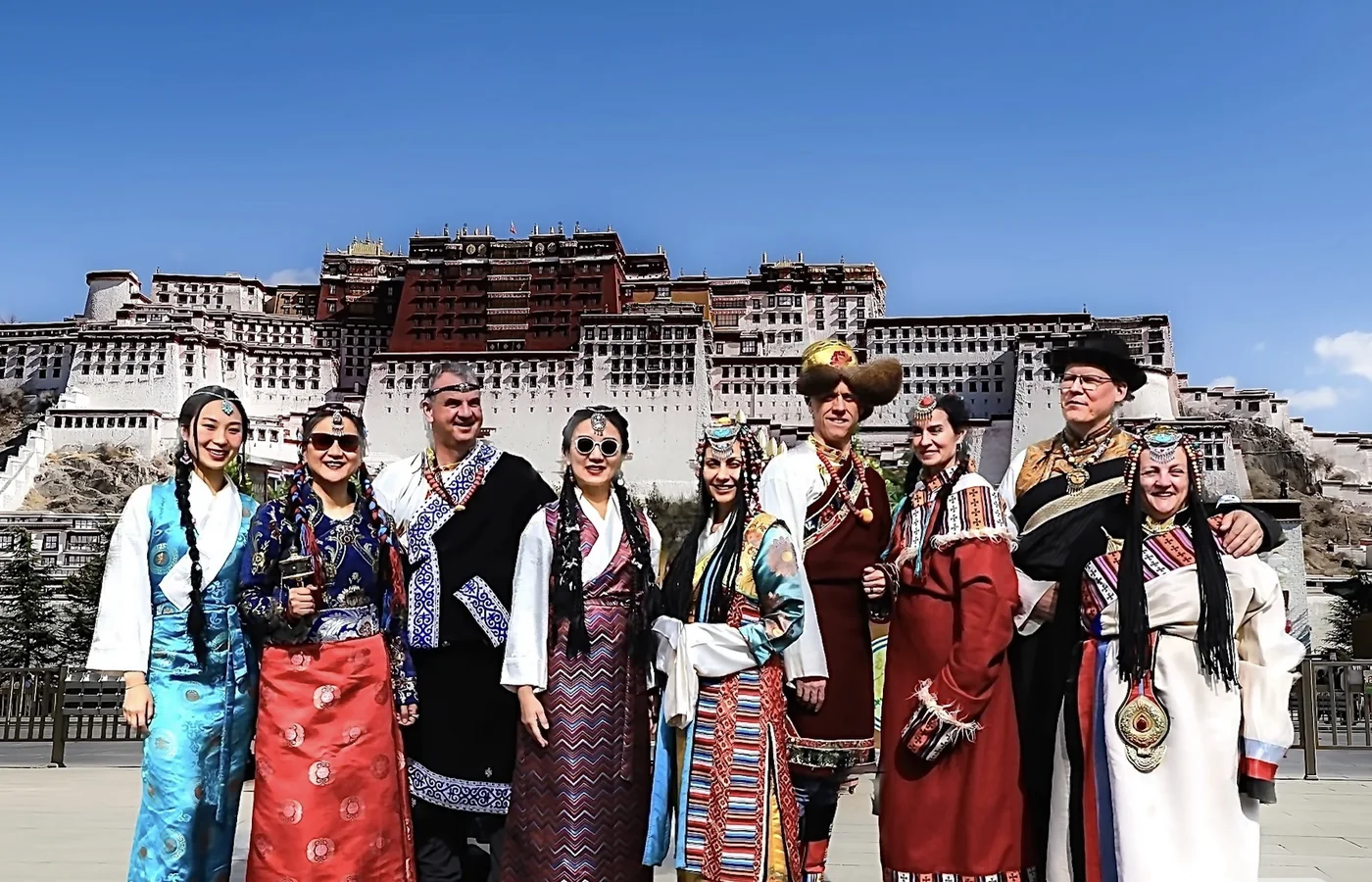
How Lhasa fits the Tibet plan
Lhasa is the safest base for a first Tibet trip. Start here for Potala Palace, Jokhang Temple, Barkhor, Sera Monastery, and lighter acclimatization before deciding whether to add Yamdrok, Namtso, Shigatse, Everest, or a train arrival.
- Use Lhasa as the first altitude step before higher lakes or Everest.
- Keep the 6-day Lhasa and sacred lakes idea as the core private option.
- Move onward only after permit timing, road time, and comfort level are checked.
Expert Advice for Lhasa
Essential insights from our Tibet travel specialists
Altitude Acclimatization is Non-Negotiable
Lhasa sits at 3,650 meters above sea level. Plan 2-3 easy days before strenuous activity, avoid alcohol, and maintain normal hydration. Discuss acetazolamide and contraindications with a clinician before travel. Headache and fatigue can indicate altitude illness: do not ascend with symptoms. If symptoms worsen, descend and seek medical care; do not assume they will resolve within 48 hours.
Photography Etiquette at Sacred Sites
Always ask permission before photographing monks or worshippers. Many inner sanctums prohibit photography entirely—respect these rules. The best light for the Potala Palace exterior is early morning (7-9am) when golden light hits the white and red walls. Bring a wide-angle lens for the vast Barkhor Square.
Tibet Travel Permit Planning
Foreign visitors require a Tibet Travel Permit in addition to a Chinese visa. This must be arranged through a registered Tibet travel agency—you cannot apply independently. Processing takes 5-7 business days. The permit is required to board trains or flights to Lhasa. Plan your itinerary at least 3-4 weeks in advance.
Best Time and Seasonal Considerations
May to October offers the best weather with clear skies and moderate temperatures. July and August bring monsoon rains but also lush green landscapes. Avoid winter (November-March) when temperatures drop below freezing and some monasteries reduce access. The Saga Dawa Festival (May/June) is the most sacred Buddhist celebration—book accommodation months ahead.
Tibetan Cuisine Essentials
Tsampa (roasted barley flour) and butter tea (po cha) are staples—try them at least once for the cultural experience. Yak meat dishes are excellent protein at altitude. Avoid raw vegetables and unfiltered water. The Barkhor area has excellent local restaurants serving thukpa (noodle soup) and momos (dumplings).
Cultural Sensitivity and Respect
Always walk clockwise around monasteries, stupas, and prayer wheels—this is sacred protocol. Remove shoes before entering temple halls. Do not touch religious statues or offerings. The Dalai Lama is a sensitive political topic—avoid public discussion. Dress modestly with covered shoulders and knees at all religious sites.
Ready to plan Tibet the careful way?
Send dates, entry city, passport country, route interests, and comfort level. We will advise what is realistic before you book fixed flights.
Before booking
How BetterChinaTrip plans Tibet safely
The page should answer the questions a foreign traveler has before they send an inquiry.
1. Confirm route feasibility
We check entry city, travel dates, Tibet permit timing, and whether the route includes Everest, border, or remote areas.
2. Build altitude rhythm
Lhasa days come first, then higher lakes, passes, or Everest. Extra buffer days can be added for comfort.
3. Choose transport logic
Fly for efficiency, use Xining or Chengdu train for scenery, and keep private vehicles for Tibet road sections.
4. Customize the China connection
Tibet can connect with Beijing, Xi'an, Chengdu, Shanghai, Yunnan, Xinjiang, or a larger private China route.
Experience Layer
More than a checklist of sights
Tibet sells trust first, then scenery. These experience anchors make the page feel more useful than a generic destination card.
Potala and Jokhang with context
Understand what you are seeing instead of rushing through photo stops.
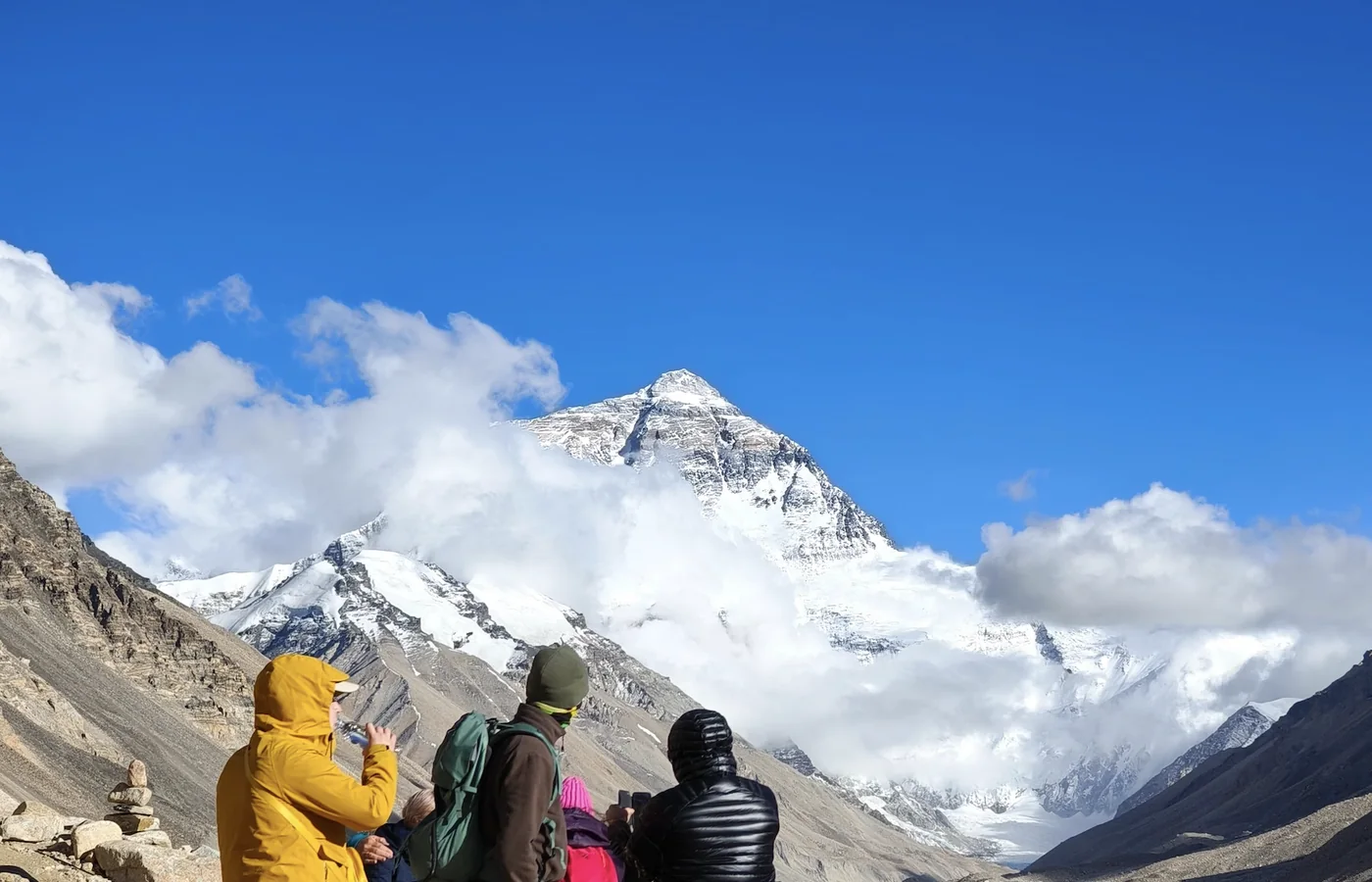
Everest Base Camp with realistic pacing
Add the classic Lhasa-Shigatse-Everest arc only after altitude, road time, and weather expectations are clear.
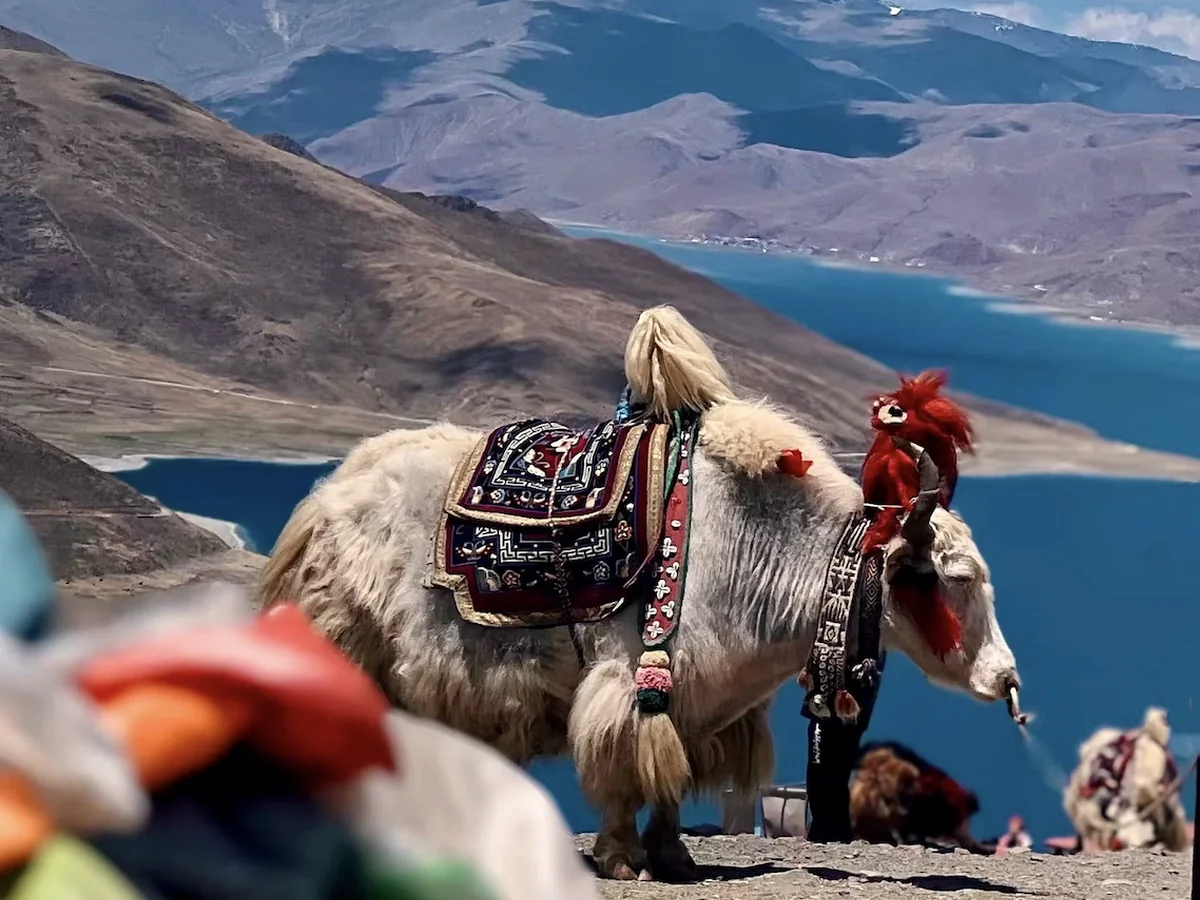
Namtso Lake and high passes
Choose Namtso when season, road access, and altitude comfort fit the plan.
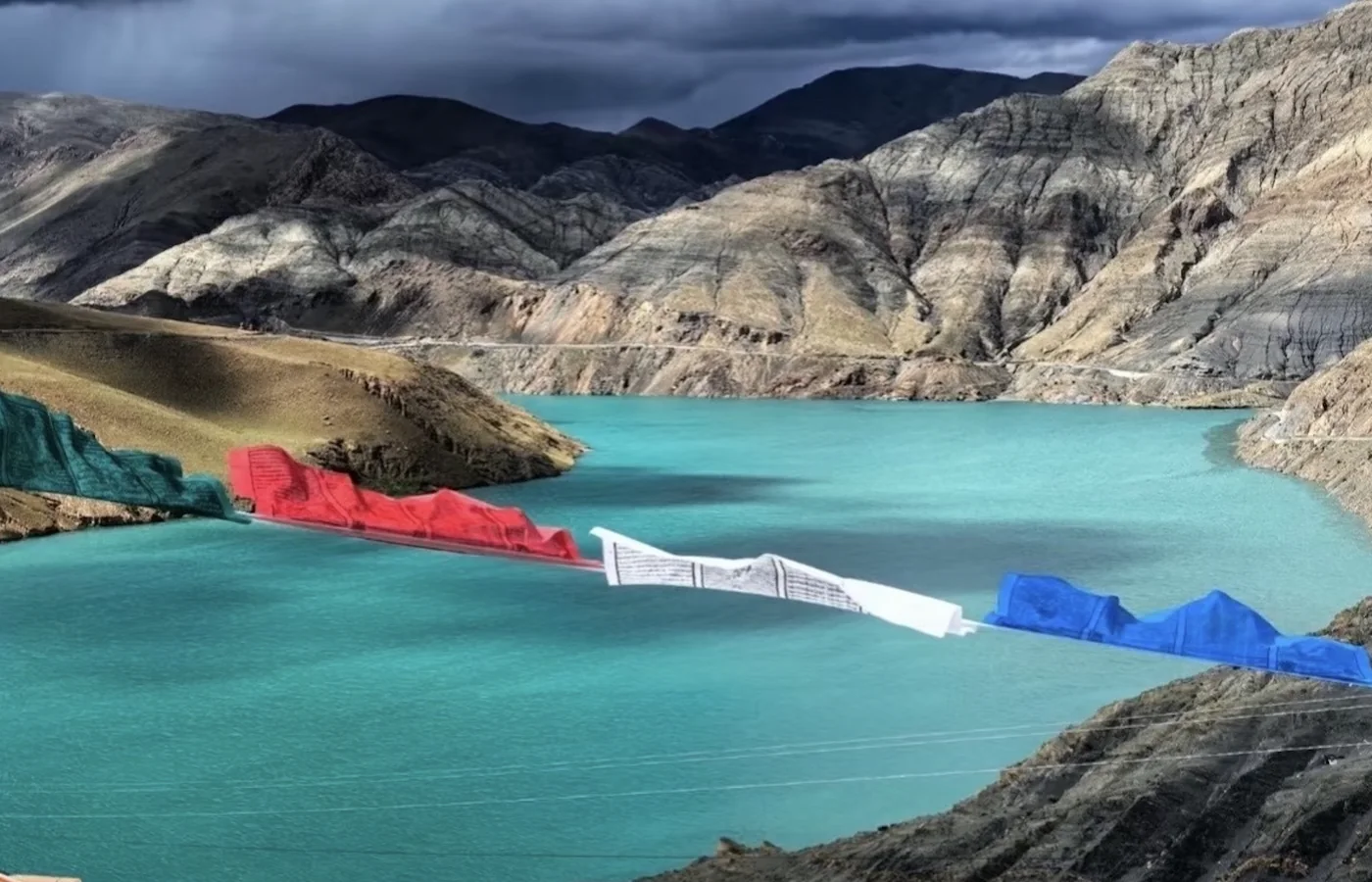
Yamdrok Lake
Turquoise sacred lake framed by high mountain passes and wind-borne prayer flags.
Need an English-speaking guide in Tibet?
BetterChinaTrip can arrange an English-speaking Tibet tour guide and travel interpretation inside a permit-compliant private itinerary. Depending on availability, the confirmed team is either one English-speaking local guide or a local Tibet guide working with an English travel interpreter. Tibet permits, route, licensed guide, vehicle and entry arrangements must be confirmed together before service.
Guide availability is arranged by travel date, city, route, and party size, so early confirmation is recommended.
- Private organized itinerary with permit, local guide and vehicle coordination.
- English-speaking guide or local Tibet guide plus English interpreter, subject to date confirmation.
- Written staffing and route confirmation before booking; no invented starting price.
Tibet FAQ
Tibet Travel FAQ
Short answers before you send dates, passport country, and route interests.
Do foreign travelers need a Tibet Travel Permit?
Yes. Foreign travelers need a Tibet Travel Permit in addition to their China visa or eligible entry arrangement. It must be arranged through an organized Tibet tour before entering the region.
Can I book Tibet independently?
Foreign travelers cannot simply enter Tibet independently like most China cities. The practical route, guide, vehicle, and permit timing need to be coordinated before arrival.
Should I take the train or fly to Lhasa?
Fly when time is tight. Choose the Xining or Chengdu train when the journey itself matters, but still keep the first Lhasa day light for altitude comfort.
Is Everest Base Camp always available?
No fixed promise should be made before dates are checked. Weather, road conditions, permit rules, and accommodation availability can change the best plan.
Ready to plan Tibet the careful way?
Send dates, entry city, passport country, route interests, and comfort level. We will advise what is realistic before you book fixed flights.