BetterChinaTrip
Language, Culture & Student Exchange Educational China Route
This route is designed for language departments and exchange-minded groups that want students to practice, meet, taste, observe, and reflect rather than simply move between monuments.
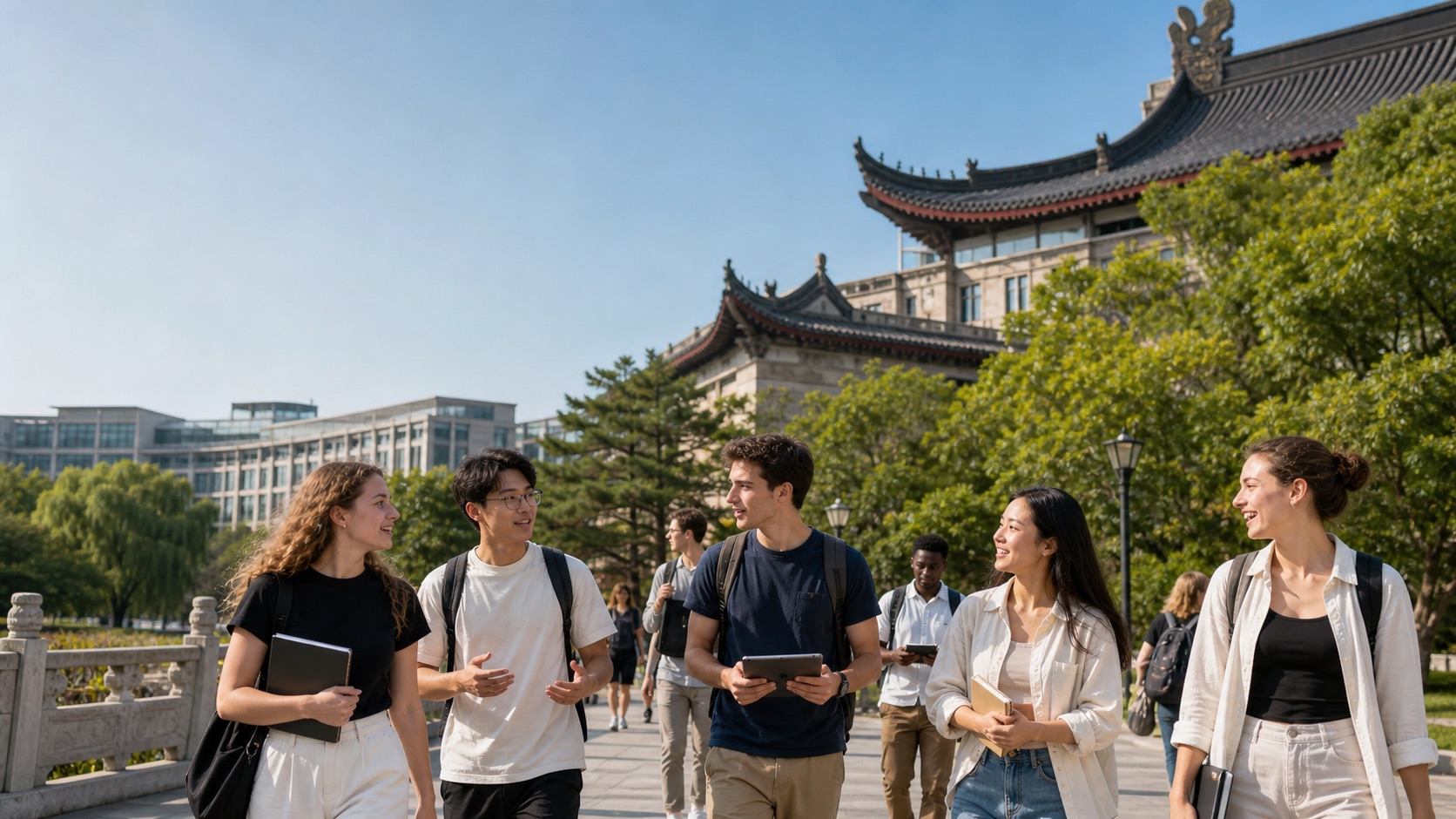
Learning Objectives
This route is designed for language departments and exchange-minded groups that want students to practice, meet, taste, observe, and reflect rather than simply move between monuments.
- Move Mandarin from classroom memory to practical, confidence-building use.
- Give students structured peer or host interaction when access is approved.
- Connect food, family-style meals, workshops, and local neighborhoods to cultural understanding.
Visits & Learning Access
Access planning can include campus requests, museum learning, field observation, community context, workshops, or company briefing requests when suitable for the academic group.
- Beijing campus or school exchange request with introductory topics.
- Chengdu food culture, panda conservation context, and relaxed language practice.
- Guilin rural field day or Hangzhou water-town/campus option depending on course goals.
- Workshop options: calligraphy, cooking, tea, music, crafts, or sports exchange.
Sample Day-by-Day Flow
This is a sample educational route. Days can be adjusted by school calendar, university goals, teacher supervision needs, and confirmed access.
- Day 1: Arrival and language warm-up - Orientation, useful phrases, safety contacts, and first small Mandarin mission.
- Day 2: Beijing culture and introductions - Landmark visit with greeting practice, local meal language task, and short reflection.
- Day 3: Campus or workshop request - Requested school/campus exchange or backup calligraphy, cooking, or culture workshop.
- Day 4: Great Wall and teamwork - Great Wall day with group roles, photo prompts, and Mandarin recap.
- Day 5: Train or flight to Chengdu - Travel day with transport vocabulary and regional-culture briefing.
- Day 6: Chengdu food and daily life - Market or food culture walk, tea-house context, and guided conversation practice.
- Day 7: Panda conservation context - Conservation visit with ecology vocabulary and ethical tourism discussion.
- Day 8-10: Guilin, Hangzhou, or exchange extension - Choose rural field learning, water-town culture, campus request, or extra workshop depth.
Classroom & Field Tasks
Each program can include classroom-friendly prompts before, during, and after the site visit so students connect observations to learning outcomes.
- Daily language mission: order, ask, introduce, compare, thank, and reflect.
- Peer-conversation worksheet with prepared questions and post-meeting notes.
- Cultural lens journal: food, public behavior, school life, family expectations, and media impressions.
School-Safe Logistics
School-safe logistics include private transport, hotel-area planning, headcount routines, emergency contacts, age-appropriate pacing, dietary notes, no shopping stops, and a custom quote after we review your dates and group size.
- Peer activities use clear adult supervision, guide support, and pre-agreed timing.
- Language missions happen in safe, bounded settings with teacher and guide visibility.
- No shopping stops are added; markets are used only as supervised culture and language contexts.
Recommended Cities
Cities are starting points. BetterChinaTrip can add, remove, or reorder stops based on flight access, train time, academic priority, and student stamina.
- Beijing
- Chengdu
- Guilin
- Hangzhou
Pricing
- Custom quote within 24 hours
- Based on dates, group size, city flow, hotel level, access requests, workshops, and supervision needs
- No fixed public price
- Every school, university, and teacher-led group receives a tailored proposal
Frequently Asked Questions
- Can this route include homestays?
- We usually recommend hotels for school-safe logistics. If homestays are required, they need a separate vetting, safeguarding, and approval process.
- What if campus access is not approved?
- We prepare workshops, cultural exchange activities, and guided local tasks so the learning outcome still works.
- Can non-Mandarin students join?
- Yes. We adapt tasks for mixed levels and keep the experience encouraging rather than exam-like.