BetterChinaTrip
Innovation & Future China Educational Field Study Route
This route helps students study contemporary China through observation: stations, streets, payment habits, waterfronts, campuses, companies where available, and city design choices.
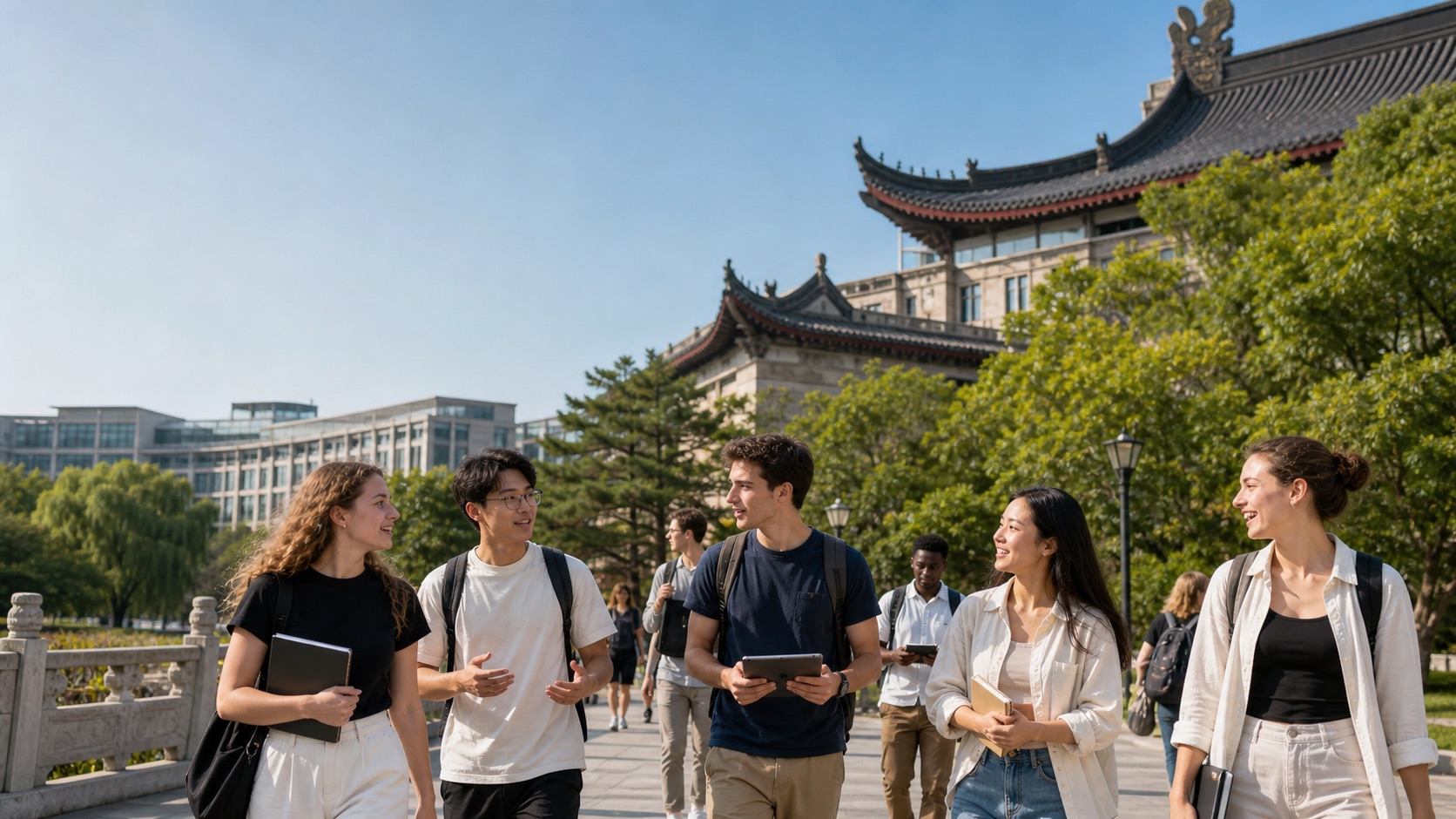
Learning Objectives
This route helps students study contemporary China through observation: stations, streets, payment habits, waterfronts, campuses, companies where available, and city design choices.
- Use visible urban systems to understand contemporary innovation beyond slogans.
- Compare city models across Shanghai, Hangzhou, Shenzhen, and Guangzhou.
- Practice field research methods: observe, interview where appropriate, map, and present.
Visits & Learning Access
Access planning can include campus requests, museum learning, field observation, community context, workshops, or company briefing requests when suitable for the academic group.
- Shanghai urban redevelopment and financial district comparison.
- Hangzhou digital lifestyle, campus, or innovation context request.
- Shenzhen design, hardware, startup, or museum briefing request when feasible.
- Guangzhou trade, logistics, port, retail, or industry context activity.
Sample Day-by-Day Flow
This is a sample educational route. Days can be adjusted by school calendar, university goals, teacher supervision needs, and confirmed access.
- Day 1: Shanghai arrival and field-study brief - Introduce observation methods, safety plan, and the no-shopping academic route.
- Day 2: Shanghai city systems - Bund/Pudong, transit, public space, and heritage redevelopment comparison.
- Day 3: High-speed rail to Hangzhou - Rail logistics lesson, digital lifestyle observations, and optional campus or museum request.
- Day 4: Hangzhou innovation context - Urban lake culture, tech ecosystem framing, retail or payment behavior field tasks.
- Day 5: Shenzhen design and growth - Transfer to Shenzhen, city development overview, design or company briefing request where feasible.
- Day 6: Shenzhen field research - Observe transport, public space, hardware/design context, and student case boards.
- Day 7: Guangzhou trade and logistics - Move to Guangzhou for industry, port, retail, food culture, or Canton context.
- Day 8-9: Synthesis and departure - Student presentations, teacher debrief, departure, or extra company/campus request.
Classroom & Field Tasks
Each program can include classroom-friendly prompts before, during, and after the site visit so students connect observations to learning outcomes.
- Urban systems checklist: mobility, payments, delivery, density, signage, public space, and sustainability clues.
- Innovation case board: students choose one place or service and explain problem, user, infrastructure, and tradeoffs.
- Group presentation: what evidence supports the claim that a city is innovative?
School-Safe Logistics
School-safe logistics include private transport, hotel-area planning, headcount routines, emergency contacts, age-appropriate pacing, dietary notes, no shopping stops, and a custom quote after we review your dates and group size.
- Dense urban days use clear group movement plans, private transport where useful, and realistic walking blocks.
- Company or campus visits are requested early with backup field activities.
- No shopping stops are added; retail settings are used for observation only.
Recommended Cities
Cities are starting points. BetterChinaTrip can add, remove, or reorder stops based on flight access, train time, academic priority, and student stamina.
- Shanghai
- Hangzhou
- Shenzhen
- Guangzhou
Pricing
- Custom quote within 24 hours
- Based on dates, group size, city flow, hotel level, access requests, workshops, and supervision needs
- No fixed public price
- Every school, university, and teacher-led group receives a tailored proposal
Frequently Asked Questions
- Can students visit Alibaba, Tencent, or other major companies?
- We can request suitable briefings, but major-company access is never guaranteed. We will propose realistic alternatives and field-study tasks.
- Is the route too business-focused for schools?
- It can be adjusted toward city life, design, technology use, and social science observation for younger or non-business groups.
- Can this route include factories?
- For student groups we keep factory content educational and age-appropriate. Buyer sourcing trips should use the Factory Visits service instead.