BetterChinaTrip
History, Civilization & Identity Educational China Tours
Use Beijing, Xi’an, Nanjing, Luoyang, Shanghai, museums, old neighborhoods, and landmark sites as a structured field classroom instead of a simple sightseeing loop.
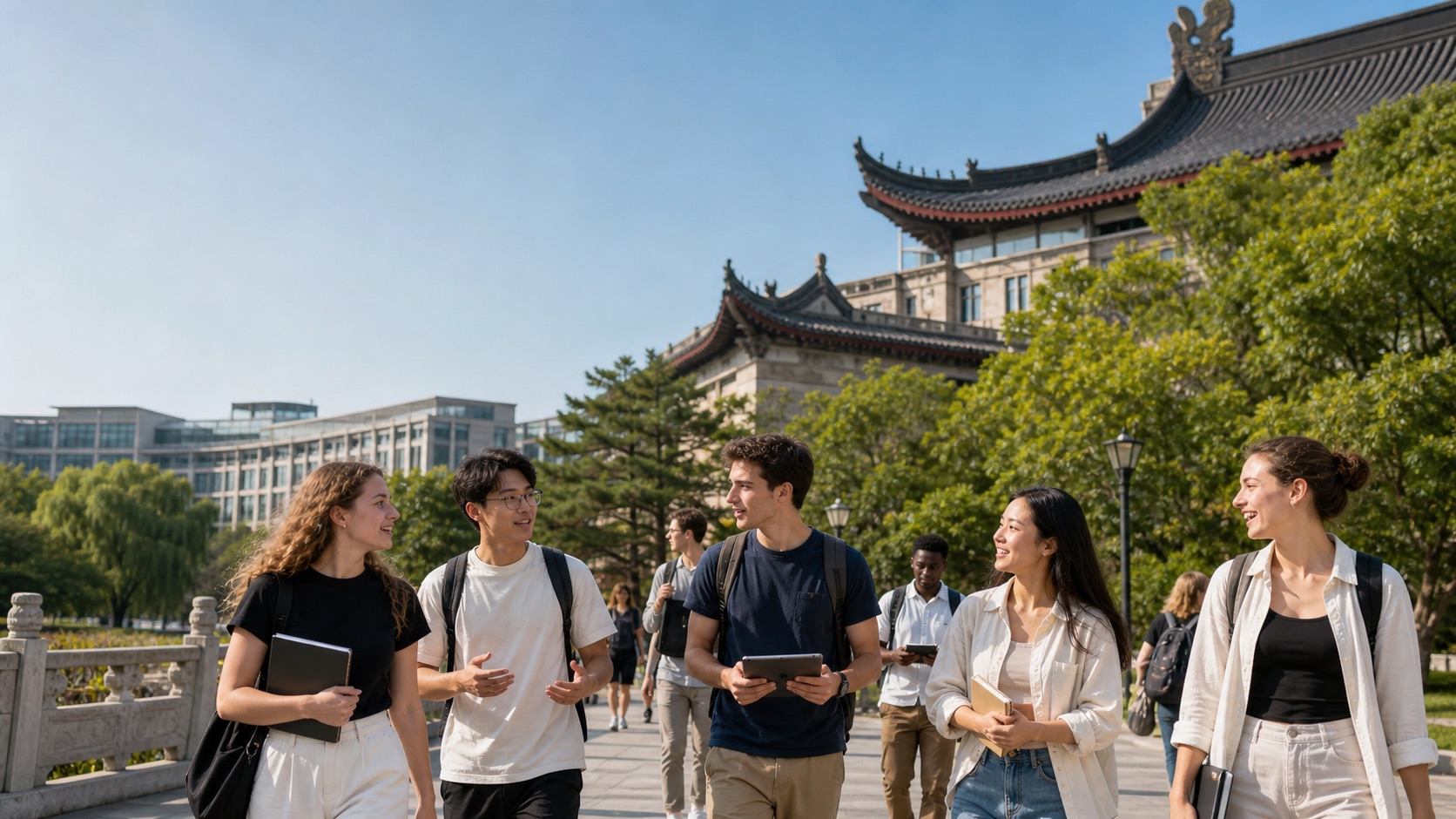
Learning Objectives
Use Beijing, Xi’an, Nanjing, Luoyang, Shanghai, museums, old neighborhoods, and landmark sites as a structured field classroom instead of a simple sightseeing loop.
- Connect imperial timelines with visible city spaces, museum collections, and student reflection.
- Compare archaeological evidence, palace culture, neighborhood life, and modern national identity.
- Help students move from landmark facts to guiding questions about continuity, change, and memory.
Visits & Learning Access
Access planning can include campus requests, museum learning, field observation, community context, workshops, or company briefing requests when suitable for the academic group.
- Forbidden City or Temple of Heaven inquiry walk with guide-led observation prompts.
- Xi'an archaeology day around the Terracotta Warriors, city wall, and museum context.
- Nanjing or Luoyang museum visit when the curriculum needs deeper dynastic or republic-era framing.
- Shanghai heritage-to-modernity comparison through the Bund, old neighborhoods, and museum galleries.
Program Design Ideas
This is a learning-theme page rather than a fixed product. We use it to design a custom route around your curriculum, group profile, and approval process.
- Forbidden City or Temple of Heaven inquiry walk with guide-led observation prompts.
- Xi'an archaeology day around the Terracotta Warriors, city wall, and museum context.
- Nanjing or Luoyang museum visit when the curriculum needs deeper dynastic or republic-era framing.
- Shanghai heritage-to-modernity comparison through the Bund, old neighborhoods, and museum galleries.
Classroom & Field Tasks
Each program can include classroom-friendly prompts before, during, and after the site visit so students connect observations to learning outcomes.
- Object biography worksheet: students choose one museum piece and trace what it reveals about power, trade, belief, or daily life.
- Then-and-now photo prompt comparing historic planning, neighborhood texture, and modern city design.
- Small-group discussion: which stories are easiest to see on site, and which require interpretation?
School-Safe Logistics
School-safe logistics include private transport, hotel-area planning, headcount routines, emergency contacts, age-appropriate pacing, dietary notes, no shopping stops, and a custom quote after we review your dates and group size.
- Museum pacing, headset use, meeting points, and restroom breaks are planned around student attention span.
- Private coaches or vans reduce open-ended transfers, with guide and leader headcounts before each move.
- No shopping stops are added; time is reserved for learning, meals, rest, and reflection.
Recommended Cities
Cities are starting points. BetterChinaTrip can add, remove, or reorder stops based on flight access, train time, academic priority, and student stamina.
- Beijing
- Xi'an
- Nanjing
- Luoyang
- Shanghai
Pricing
- Custom quote within 24 hours
- Based on dates, group size, city flow, hotel level, access requests, workshops, and supervision needs
- No fixed public price
- Every school, university, and teacher-led group receives a tailored proposal
Frequently Asked Questions
- Can this theme fit younger students?
- Yes. We simplify the guiding questions, add more hands-on observation, and reduce museum depth for middle school groups.
- Can you add a university or expert talk?
- We can request campus, museum, or guest-speaker access with lead time, then propose fallback field activities if dates do not work.
- Is this sold as a fixed package?
- No. It is a program-design theme. We use it to shape a custom route, safe logistics plan, and quote for your school or university.